Teaching Reading
Intent
At Parsons Heath Primary School, we put reading at the heart of the curriculum. We strive to foster a love of reading at school and at home.
The English National Curriculum states that: ‘The overarching aim for English in the national curriculum is to promote high standards of language and literacy by equipping pupils with a strong command of the spoken and written language, and to develop their love of literature through widespread reading for enjoyment.’
We believe the exposure of children’s literature within the primary school setting is vital as a rich context for learning; not only within English as a subject but to support building a reading culture throughout the school. We believe that reading should open up a world of possibility and intrigue and is a fundamental life skill which, enables children to communicate effectively in all areas and equips them for the challenges they will face in the wider world.
Early Reading and Phonics is at the heart of our Early Years and Key Stage 1 curriculum. We believe that phonics provides the foundations of learning to make the development into fluent reading and writing easier.
The aim of our Reading curriculum is to ensure that all pupils:
- will be both independent and reflective readers who can read fluently and for meaning.
- develop a love of reading that becomes a life-long habit, for both pleasure and information
- feel confident and able to contribute by using their reading skills to access all areas of learning, where they can elaborate and clearly communicate their understanding and ideas
- appreciate a rich and varied language developed through exposure to diverse text with global perspectives
- bring reading to life and give it a purpose so that children are confident to share and challenge ideas through debate.
We aim to use high quality books that offer opportunities for empathy and can aid philosophical enquiry, where children see their own and other cultures, families and relationships reflected, as a means of developing the spoken language requirements through debate, drama and discussion using the issues raised through, and within, the text.
Subject Implementation
At Parsons Heath Primary School, our Reading curriculum is taught in accordance with the National Curriculum. We use the ‘CUSP’ reading scheme to deliver the content of the National Curriculum in a sequential, progressive and engaging manner.
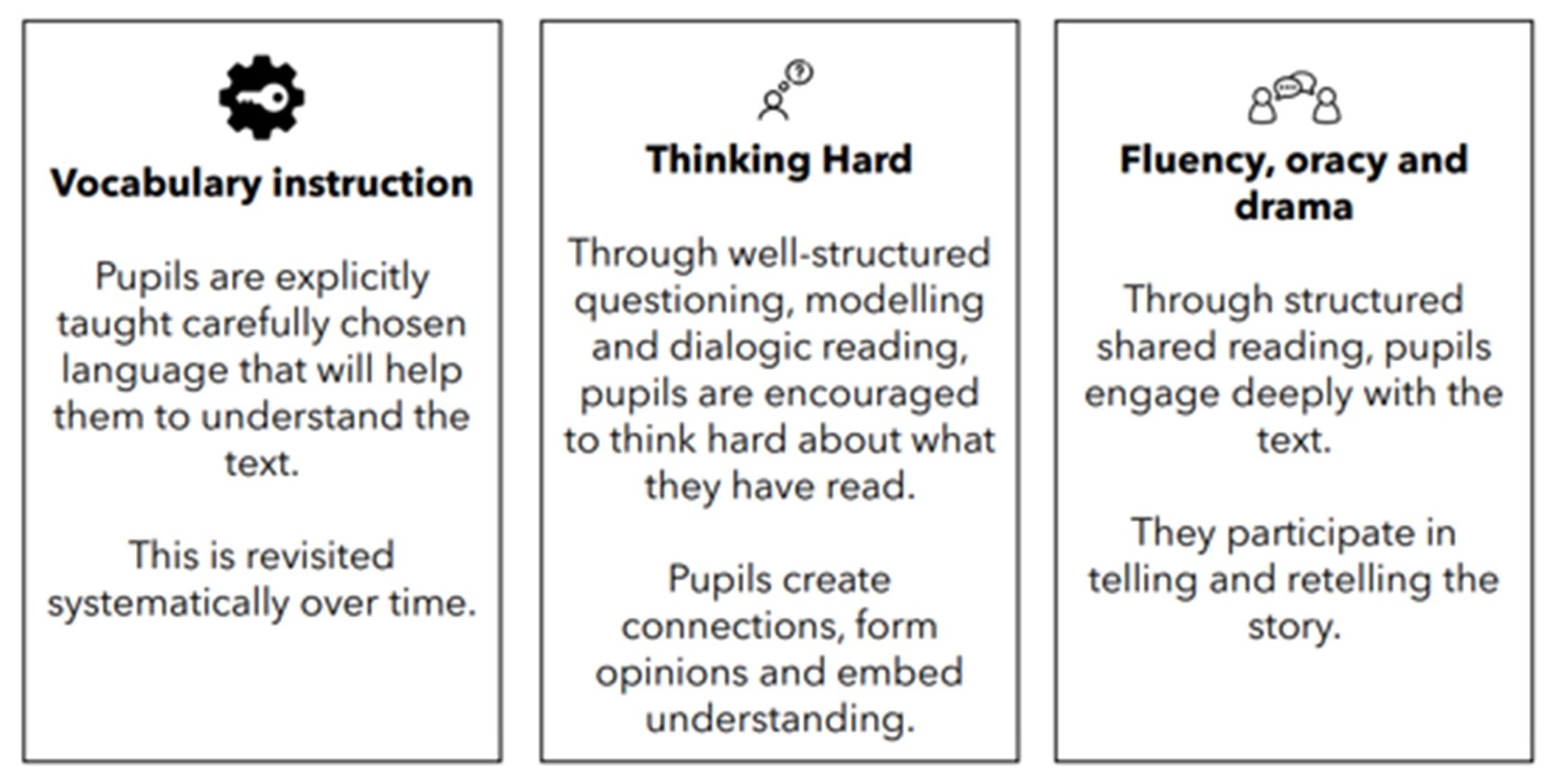
‘CUSP Reading has been purposefully built around the principles of evidence-led practice. The curriculum is built on three key foundations: explicit vocabulary instruction; explicit fluency instruction (prosodic reading) and opportunities to think hard. Every unit follows a clear and progressive sequence that immerses pupils meaningfully in rich and demanding texts that have been carefully curated. Pupils have the opportunity throughout the Primary journey to experience a wide range of literature, as well as studying extended texts in full. This ensures both breadth and depth in their reading diet. Strong lesson routines ensure consistent practice across the school and incremental progression in the demands of both the texts that pupils study and how they are asked to respond to these. CUSP Reading utilises all that we know about effective reading instruction and provides teachers with the framework to ensure a diet of excellence for all pupils.’
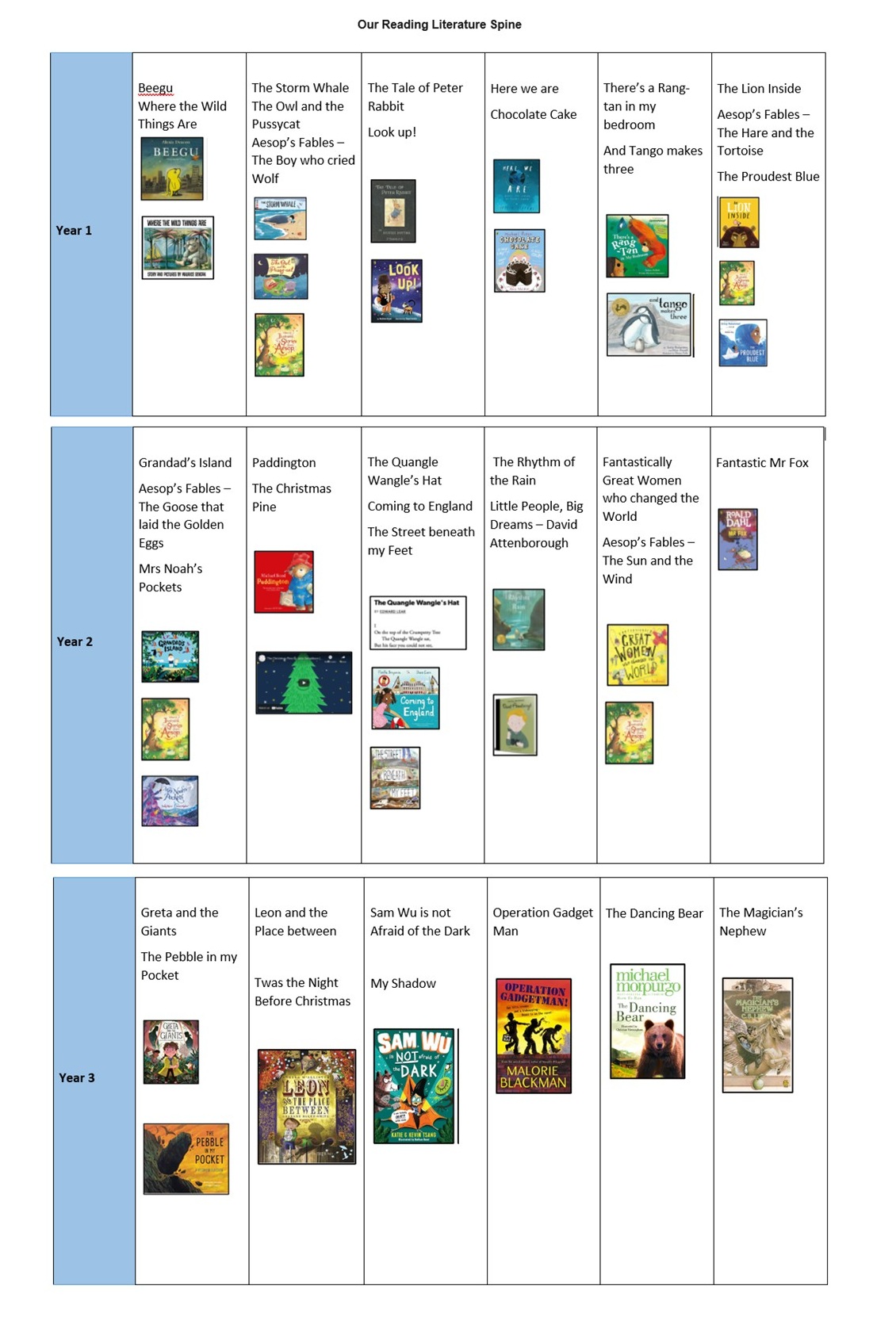
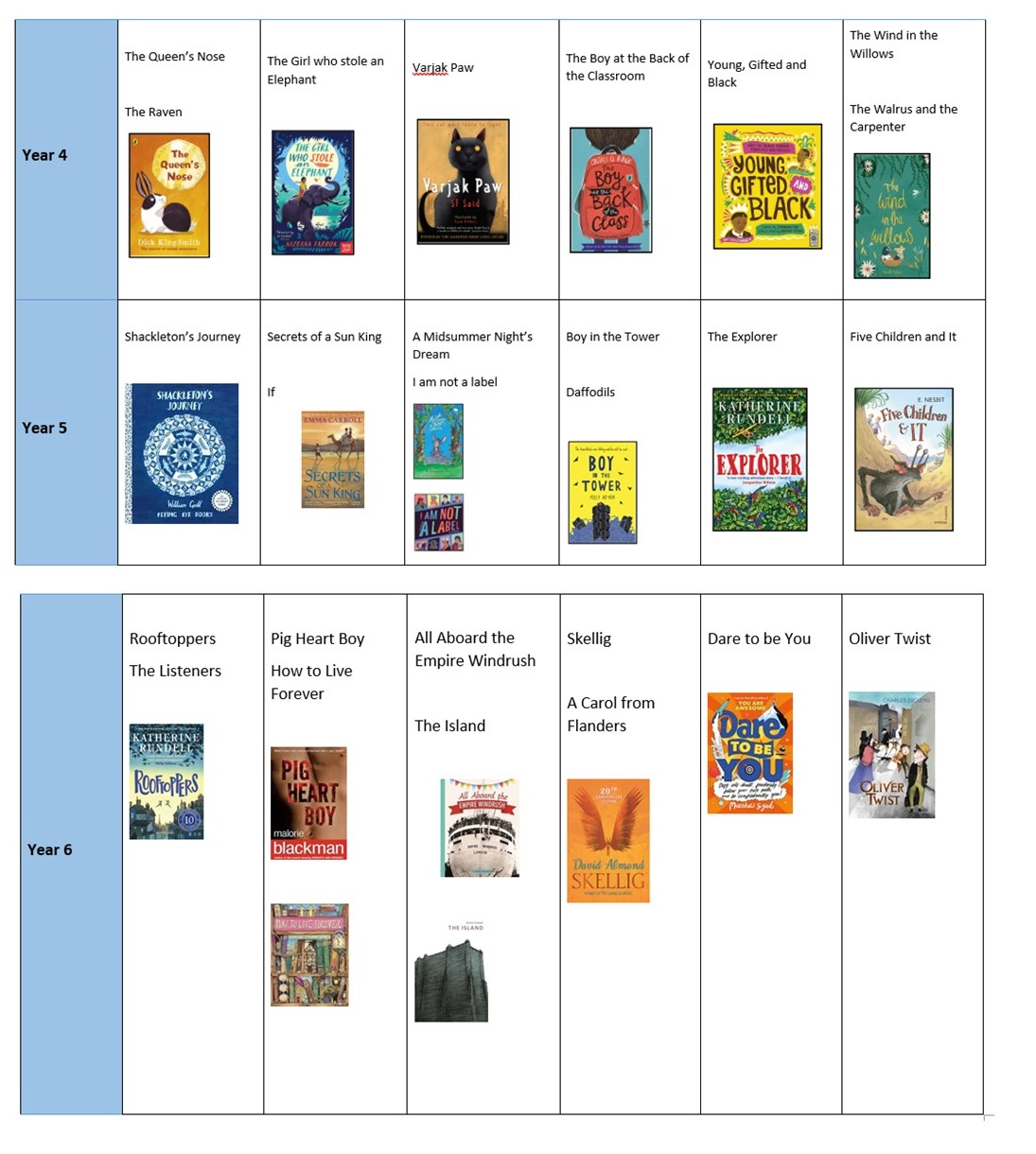
Each cohort has a reading spine of core texts that forms the depth study for the academic year. These texts have been mapped carefully to ensure a breadth of experiences, authors, texts and themes are addressed across the Primary years. In addition to these texts, there are core poems that each year group will study in detail. The literature spine has been harmonised with the wider curriculum, where appropriate.
The principles of our CUSP Reading scheme
Throughout the school, the CUSP Reading scheme follows the same principles. Pupils read a core text and additional supplementary texts. Explicit vocabulary instruction, reading fluency and thinking hard are the key pillars of the curriculum. Pupils focus first on understanding the detail of the text before moving into thinking hard about what they have read.
Key Stage 2
Pupils in Key Stage 2 are taught the CUSP Reading curriculum through daily discrete reading lessons.
The key difference in Key Stage 1 is in timetabling. We know that a strong and robust phonics curriculum is an essential part of excellent reading provision. To ensure that we have sufficient time to deliver this, the CUSP offer for Reading and Writing is based on one 50 minute English lesson per day, with daily phonics teaching in addition to this. Over a 2-week period, pupils studying the CUSP Reading curriculum would have 5 Reading lessons and 5 Writing lessons. Pupils would still write at sentence level in their Reading lessons and read in every Writing lesson. The balance across the term ensures that pupils have time to engage deeply with high-quality reading and writing experiences.
CUSP Early Foundations – Reception
In Reception, the children follow the CUSP Early Foundations offer for reading.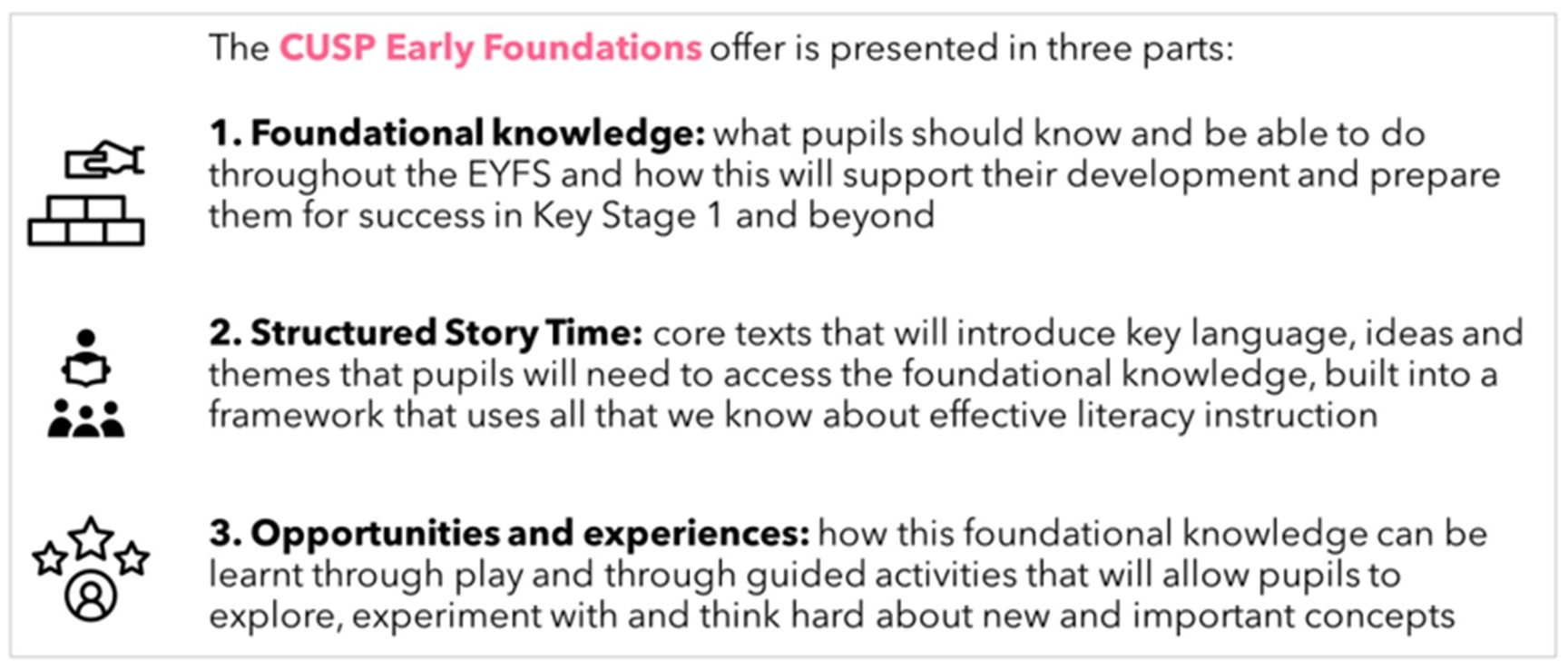
Structured Storytime lessons are built on the same principles as the wider CUSP Reading offer.
Each lesson includes:
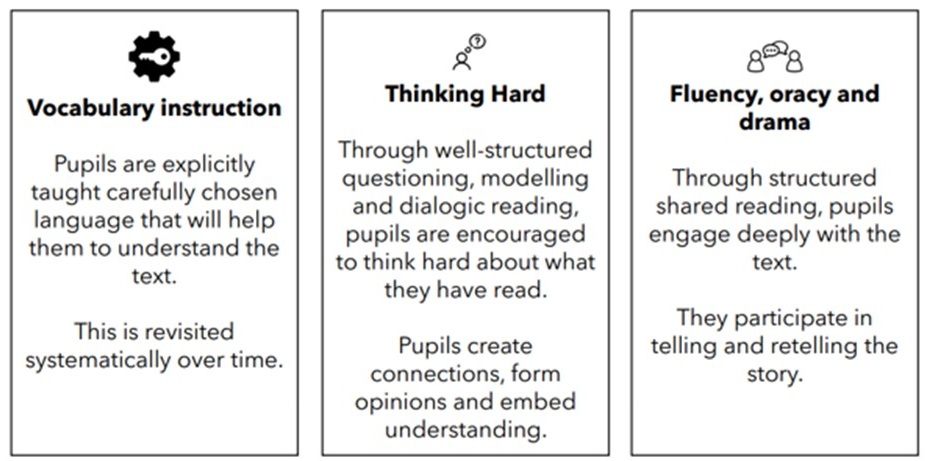
- Explicit Vocabulary Instruction
- Active engagement with the story through fluency, oracy and drama
- Opportunities to Think Hard about the story through high-quality discussion, questioning and dialogic teaching
Early Reading and Phonics
The systematic teaching of phonics is at the heart of our Foundation Stage and Key Stage 1 curriculum. We follow the accredited ‘Little Wandle’ scheme and children throughout Foundation Stage and Year 1 are taught daily phonics sessions. The children are regularly assessed, and those who are falling behind are engaged in ‘catch up’ and ‘keep up’ sessions. One of the reading books that the children take home with them are matched to the phonics that they are learning in school. The children also read this book three times a week in a small group to consolidate learning and to read for meaning and with expression.
We recognise that systematic, high quality phonics teaching is essential, but additional skills and opportunities are required for children to achieve the goal of being a well-rounder reader. When pupils have completed the phonics programme and are secure word level readers, reading is developed during whole class reading sessions in Year 2, using high quality texts and focused skill teaching. Strong links are made between reading and writing so that skills and strategies can develop between the two. Children read and enjoy high quality fiction, non-fiction and poetry, which are linked to topics across the curriculum where relevant.
Children who are unable to achieve the phonics expected standard will proceed to phonics intervention and reading support. Phonics is continued in KS2 for those who need it including application practice with decodable reading books.
Home/school reading book
At Parsons Heath Primary we work to develop a love of reading and children are encouraged to read at both home and school, logging their reads in the reading record. Children in Reception and Year 1 read three times a week in school in a small group. Children in Year 2 and Key Stage 2 are heard at least once every two weeks by an adult. Children who need extra support are read with more regularly.
Children in Reception and Key Stage 1 are given two books. One is to read for pleasure with an adult and one is focused on the phonics that they are learning. Once the children have completed the phonics programme, they are then placed on banded books, suited to their ability. This banding continues throughout the school.
Assessment
We assess reading as follows:
- On-going teacher assessment through reading tasks ·
- Reading age completed bi-annually
- Phonics tracking
- Reading comprehension tests at the end of each term (KS2 upwards)
- Teacher and Teaching Assistants listening to the children read
Monitoring
Reading is monitored across the school by the subject leader and SLT as follows: We assess reading as follows:
- Pupil voice ·
- Tracking in house data
- Tracking data against local and national data
- Little Wandle Assessments
- Monitoring reading folders
- Lesson observations
- Monitoring children’s engagement with their home reading
 Tips on Hearing Your Child Read Leaflet
The School Library